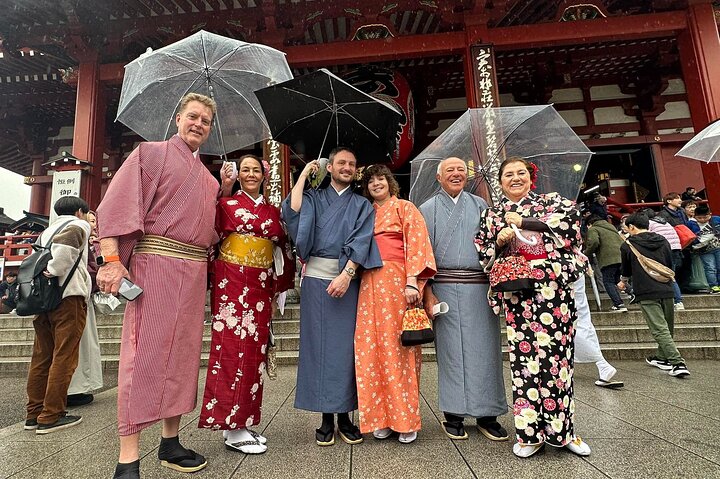
Explore Kyoto, Nara, and Osaka with a local guide. Discover rich history, cultural heritage, and indulge in exquisite culinary delights on this 4-day adventure.
Explore Kyoto, Nara, and Osaka with a local guide. Discover rich history, cultural heritage, and indulge in exquisite culinary delights on this 4-day adventure.
Kyoto
Kiyomizu-dera Temple - Situated in eastern Kyoto, Japan, Kiyomizu-dera is a renowned Buddhist temple. It is part of the Historic Monuments of Ancient Kyoto, a UNESCO World Heritage Site.
Sanjusangendo Temple - Located in the Higashiyama district of Kyoto, Japan, Sanjūsangen-dō is a Buddhist temple of the Tendai sect. Founded in 1164 by…
Kyoto
Kiyomizu-dera Temple - Situated in eastern Kyoto, Japan, Kiyomizu-dera is a renowned Buddhist temple. It is part of the Historic Monuments of Ancient Kyoto, a UNESCO World Heritage Site.
Sanjusangendo Temple - Located in the Higashiyama district of Kyoto, Japan, Sanjūsangen-dō is a Buddhist temple of the Tendai sect. Founded in 1164 by Taira no Kiyomori for the cloistered Emperor Go-Shirakawa, it is officially known as Rengeō-in and is part of the Myōhō-in temple complex.
Nijo Castle - Nijō Castle, a flatland castle in Kyoto, Japan, features two concentric rings of fortifications, the Ninomaru Palace, the ruins of the Honmaru Palace, various support buildings, and several gardens.
Yasaka Shrine - Formerly known as Gion Shrine, Yasaka Shrine is a Shinto shrine located in the Gion District of Kyoto, Japan. Positioned at the east end of Shijō-dōri, the shrine comprises several buildings, including gates, a main hall, and a stage.
Fushimi Inari-taisha Shrine - Dating back to the 8th century, Fushimi Inari Taisha serves as the headquarters for approximately 30,000 Inari shrines across Japan. Situated on and around Mt. Inari, the shrine complex includes easily accessible worship halls at the mountain’s base, connected by vermilion torii gate-lined paths that lead to more remote inner shrines, offering surprises that require some hiking to reach.
Nishiki Market Shopping District - Located in downtown Kyoto, Nishiki Market is a historic marketplace situated on the east end of Nishikikōji Street, one block north and parallel to Shijō Street, and west of Teramachi Street. It is celebrated for offering many of Kyoto’s famous foods and goods.
Kyoto
Tofuku-ji Temple - Tōfuku-ji, a Buddhist temple in Higashiyama-ku, Kyoto, Japan, derives its name from two temples in Nara, Tōdai-ji and Kōfuku-ji. It is one of the Kyoto Gozan or “five great Zen temples of Kyoto,” with the honorary sangō prefix Enichi-san.
Kinkaku-ji - Officially named Rokuon-ji, Kinkaku-ji is a Zen Buddhist temple in Kyoto, Japan. It is one of Kyoto’s most popular buildings, attracting numerous visitors each year.
Arashiyama Bamboo Grove - Known as Bamboo Forest, Arashiyama Bamboo Grove, or Sagano Bamboo Forest, this natural bamboo forest in Arashiyama, Kyoto, Japan, consists mainly of mōsō bamboo and features several pathways for tourists and visitors. The Ministry of the Environment recognizes it as part of Japan’s soundscape.
Monkey Park Iwatayama - Iwatayama Monkey Park, a commercial park in Arashiyama, Kyoto, Japan, is located on Mt Arashiyama, opposite the Ōi River from the train station. It is home to a troop of over 120 Japanese macaque monkeys, which are wild but can be fed with food purchased on-site.
Arashiyama Kimono Forest - The Kimono Forest is a stunning collection of cylinder-shaped pillars lining the pathway to Randen tram station on Kyoto’s Keifuku Arashiyama line, installed during a 2013 renovation. The pillars are grouped like a forest, each displaying a kimono.
Gion - Gion is Kyoto’s geisha district, where hostesses in vibrant kimonos are often seen on the wooden Tatsumi Bridge or among upscale Japanese restaurants and boutiques on Hanamikoji Street. Gion Corner hosts traditional Kyomai dances, while Kennin-ji Temple is noted for its Zen garden, and Yasaka Shrine features seasonal festivals in a lantern-lit courtyard. The nightlife ranges from quiet sake bars to lively, pub-like izakayas.
Nara
Kasuga Grand Shrine - Kasuga-taisha, a Shinto shrine in Nara, Nara Prefecture, Japan, is associated with the Fujiwara family. Established in 768 CE, it has been rebuilt multiple times over the centuries. The interior is renowned for its numerous bronze lanterns, as well as the many stone lanterns leading up to the shrine.
Todai-ji Temple - Todaiji Temple, featuring a 15-meter high Buddha, is the most prestigious of Nara’s seven great temples and attracts a steady stream of visitors. Enter through Nandaimon Gate to view its two 8-meter tall guardian figures with Herculean physiques. Behind the temple, Nigatsudo offers lovely views of the city.
Nara Park - Naramachi (奈良町, literally “Nara Town”) is the former merchant district of Nara, where several traditional residential buildings and warehouses are preserved and open to the public. The district’s narrow lanes are now lined with boutiques, shops, cafes, restaurants, and a few museums.
Sanjodori Street - Sanjō Street(三条通 さんじょうどおり sanjō dōri[1])is a major street crossing the center of Kyoto from east to west, extending from Shinomiya in the Yamashina-ku ward (east) to the vicinity of Tenryū-ji in Arashiyama (west).
Isuien Garden - Isui-en, a Japanese garden in Nara, the former capital of Japan near Kyoto, has been preserved since its creation in the Meiji era. It is the only walking garden in Nara, divided into two sections that were originally separate gardens, each featuring a pagoda.
Osaka
Osaka Castle - Osaka Castle, located in Chūō-ku, Osaka, Japan, is one of the country’s most famous landmarks. It played a significant role in the unification of Japan during the sixteenth century’s Azuchi-Momoyama period.
Shitennoji - Shitennoji (四天王寺, Shitennōji) is one of Japan’s oldest temples and the first to be built by the state. Founded in 593 by Prince Shotoku, who supported the introduction of Buddhism into Japan, the temple’s buildings have been reconstructed several times to reflect the original 6th-century design.
Sumiyoshi Shrine - Sumiyoshi-taisha, also known as Sumiyoshi Grand Shrine, is a Shinto shrine in Sumiyoshi-ku, Osaka, Osaka Prefecture, Japan. It is the main shrine of all Sumiyoshi shrines and lends its name to a style of shrine architecture known as Sumiyoshi-zukuri.
Kuromon Market - Kuromon Ichiba Fish Market, located in the center of Osaka, Minami, is famous for its conger pike in summer and Fugu in winter. At least 10% of the seafood shops specialize in Fugu and Hamo. This lively, roofed market stretches about 580 meters, with approximately 150 shops, and is always bustling with people.
Dotombori District - Dōtonbori or Dōtombori is a district in Osaka, Japan, known as one of the city’s main tourist and nightlife areas. It runs along the Dōtonbori canal from Dōtonboribashi Bridge to Nipponbashi Bridge in the Namba district of the city’s Chūō ward.

- Public Transportation
- 4 days discovering some of the best cities in Japan
- Water & desserts
- Lunch
- Snacks & desserts
- Public Transportation
- 4 days discovering some of the best cities in Japan
- Water & desserts
- Lunch
- Snacks & desserts
- Alcholic Drinks ( avalible to purchase from 20 YEars old)
- Gratuities
- Alcholic Drinks ( avalible to purchase from 20 YEars old)
- Gratuities
Prepare to explore some of Japan’s most renowned cities to learn about their history and local cuisine.
We’ll begin with Kyoto, celebrated for its rich cultural heritage and exquisite cuisine. Kyoto offers a variety of food tours that allow visitors to fully immerse themselves in the local culinary scene.
Next, we’ll head to Nara. Known for its…
Prepare to explore some of Japan’s most renowned cities to learn about their history and local cuisine.
We’ll begin with Kyoto, celebrated for its rich cultural heritage and exquisite cuisine. Kyoto offers a variety of food tours that allow visitors to fully immerse themselves in the local culinary scene.
Next, we’ll head to Nara. Known for its historical significance and rich cultural heritage, Nara also provides a delightful culinary experience.
Our final stop will be Osaka. Often referred to as the “kitchen of Japan,” Osaka is a paradise for food enthusiasts. The city boasts a vibrant and diverse culinary scene best experienced through a guided food tour.
For a full refund, cancel at least 24 hours before the scheduled departure time.
For a full refund, cancel at least 24 hours before the scheduled departure time.